Earth Science Topics: Understanding Our Planet and Its Natural Systems
Introduction
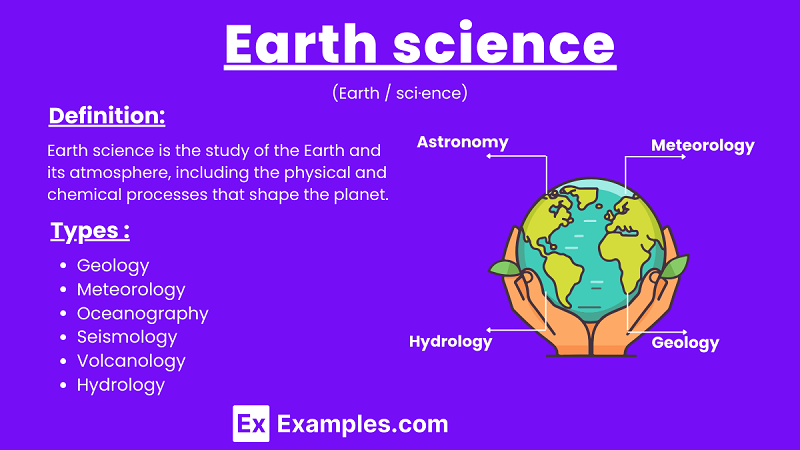
Earth science is the study of our planet, its structure, natural processes, and the systems that support life. It is a broad field that helps people understand how Earth works and how different natural forces shape the world around us. From mountains and oceans to weather patterns and earthquakes, earth science covers many fascinating topics that explain the past, present, and future of our planet.
Scientists use earth science to study natural events, predict environmental changes, and develop solutions to global challenges. This field combines knowledge from geology, meteorology, oceanography, astronomy, and environmental science. Together, these branches provide a complete picture of Earth and its place in the universe.
In today’s world, earth science is more important than ever. Climate change, natural disasters, water resources, and environmental protection are all connected to earth science. By learning about these topics, people can better understand the planet and make informed decisions about the future.
This article explores major earth science topics, their importance, and how they help us understand the world around us.
What Is Earth Science?
Earth science is the scientific study of Earth and its natural systems. It focuses on understanding the physical characteristics of the planet and the processes that continuously shape it.
Earth science includes the study of:
- Rocks and minerals
- Mountains and landforms
- Oceans and rivers
- Weather and climate
- Earthquakes and volcanoes
- The atmosphere
- Space and planetary systems
The goal of earth science is to explain how Earth functions and how different natural systems interact with one another.
Geology: The Study of Earth’s Structure
Geology is one of the most important branches of earth science. It focuses on the materials that make up Earth and the forces that shape its surface.
Geologists study:
- Rocks
- Minerals
- Fossils
- Mountains
- Earthquakes
- Volcanoes
Geology helps scientists understand Earth’s history and how landscapes have changed over millions of years.
Importance of Geology
Geology is important because it helps:
- Locate natural resources
- Understand natural hazards
- Study Earth’s history
- Support construction projects
- Explore energy sources
Without geology, understanding the planet’s structure would be much more difficult.
Meteorology: Understanding Weather and Climate
Meteorology is the study of the atmosphere and weather conditions.
Meteorologists analyze:
- Rainfall
- Temperature
- Wind patterns
- Storms
- Hurricanes
- Climate systems
Weather affects daily life, agriculture, transportation, and public safety. Accurate weather forecasting helps people prepare for changing conditions.
Climate vs. Weather
Weather refers to short-term atmospheric conditions.
Climate refers to long-term weather patterns over many years.
Understanding both is essential for studying environmental changes and global climate trends.
Oceanography: Exploring Earth’s Oceans
Oceanography is the study of oceans and marine environments.
Oceans cover more than 70% of Earth’s surface and play a major role in regulating climate and supporting life.
Oceanographers study:
- Ocean currents
- Marine ecosystems
- Water chemistry
- Tides
- Deep-sea environments
Importance of Oceans
Oceans:
- Regulate global temperatures
- Produce oxygen
- Support marine life
- Influence weather patterns
- Provide food resources
Oceanography helps scientists understand these critical systems.
Environmental Science
Environmental science examines the relationship between humans and the natural environment.
Topics include:
- Pollution
- Conservation
- Ecosystems
- Natural resources
- Sustainability
Environmental scientists work to solve problems that affect air, water, soil, and biodiversity.
Why Environmental Science Matters
Environmental science helps:
- Protect ecosystems
- Improve public health
- Manage resources responsibly
- Address climate challenges
- Promote sustainable development
It plays a key role in preserving the planet for future generations.
Earthquakes and Seismic Activity
Earthquakes occur when energy is released within Earth’s crust.
They are caused by movements along tectonic plate boundaries.
Scientists use seismology to study:
- Earthquake causes
- Seismic waves
- Fault lines
- Ground movement
Effects of Earthquakes
Earthquakes can:
- Damage buildings
- Disrupt transportation
- Trigger landslides
- Cause tsunamis
Understanding earthquakes helps improve disaster preparedness and public safety.
Volcanoes and Volcanic Activity
Volcanoes are openings in Earth’s surface where magma, gases, and ash can escape.
Volcanic activity helps shape landscapes and create new landforms.
Scientists study:
- Eruption patterns
- Lava flows
- Volcanic gases
- Plate tectonics
Benefits of Volcanoes
Although dangerous, volcanoes also:
- Create fertile soil
- Form new islands
- Provide geothermal energy
- Reveal information about Earth’s interior
Volcanology helps researchers understand these powerful natural systems.
Plate Tectonics
The theory of plate tectonics explains how Earth’s surface is divided into large moving plates.
These plates move slowly over time and interact in different ways.
Plate movement can cause:
- Earthquakes
- Volcanoes
- Mountain formation
- Ocean trench development
Plate tectonics is one of the most important concepts in earth science because it explains many geological processes.
The Water Cycle
The water cycle describes how water moves through Earth’s systems.
Major stages include:
- Evaporation
- Condensation
- Precipitation
- Collection
The water cycle continuously recycles water between the atmosphere, land, and oceans.
Importance of the Water Cycle
The water cycle:
- Supports life
- Provides fresh water
- Influences weather
- Maintains ecosystems
Understanding this process is essential for managing water resources.
Soil Science
Soil science focuses on the formation, composition, and management of soil.
Healthy soil supports:
- Agriculture
- Plant growth
- Ecosystem stability
Scientists study:
- Soil nutrients
- Soil erosion
- Soil conservation
- Agricultural productivity
Soil is one of Earth’s most valuable natural resources.
Natural Resources
Earth science helps identify and manage natural resources.
Important resources include:
- Water
- Minerals
- Fossil fuels
- Forests
- Renewable energy sources
Responsible resource management ensures long-term sustainability.
Scientists work to balance resource use with environmental protection.
Climate Change
Climate change is one of the most significant earth science topics today.
It refers to long-term changes in global climate patterns.
Scientists study:
- Rising temperatures
- Melting glaciers
- Sea-level rise
- Extreme weather events
Importance of Climate Research
Climate research helps:
- Predict future conditions
- Develop adaptation strategies
- Reduce environmental impacts
- Support sustainable policies
Understanding climate change is essential for addressing global challenges.
Astronomy and Earth’s Place in Space
Astronomy is sometimes included within earth science because it helps explain Earth’s relationship with the universe.
Astronomers study:
- Planets
- Stars
- Galaxies
- The solar system
This field helps scientists understand:
- Earth’s origins
- Seasonal changes
- Space weather
- Planetary systems
Astronomy provides valuable insights into our place in the cosmos.
Pros and Cons of Studying Earth Science
| Pros | Cons |
| Helps understand natural processes. | Some topics can be scientifically complex. |
| Supports environmental protection. | Research often requires specialized equipment. |
| Improves disaster preparedness. | Field studies may take significant time. |
| Encourages critical thinking. | Some environmental issues are difficult to solve. |
| Provides career opportunities. | Data collection can be challenging in remote areas. |
| Promotes sustainability awareness. | Advanced topics may require strong scientific knowledge. |
Conclusion
Earth science is a fascinating field that helps us understand the planet we live on. From geology and meteorology to oceanography and environmental science, earth science covers a wide range of topics that explain how Earth functions. These studies help scientists predict natural disasters, manage resources, protect ecosystems, and address global challenges such as climate change.
As technology advances and environmental concerns grow, earth science will continue playing a critical role in shaping our understanding of the world. By learning about earth science topics, people can develop greater appreciation for the planet and contribute to a more sustainable future. Visit my site for more information Iof Bodies Ethics.